

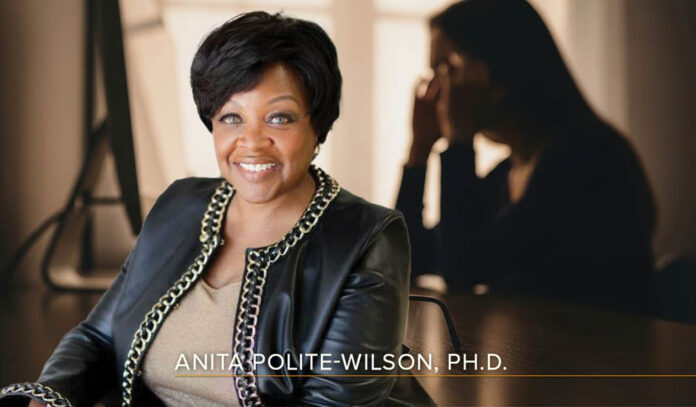
Last week, I experienced a powerful convergence of governance and culture. Our board convened on Monday in Orlando for our first meeting of the year. This was no ordinary meeting, however. It was strategically scheduled to coincide with the company’s annual Winter Gathering, a multiday event for more than 200 employees. Following our board duties, which included a tour of the local company warehouse, we had the invaluable opportunity to immerse ourselves in the lifeblood of the organization. The gathering, lasting from Tuesday to Thursday and culminating in an awards banquet, was a vivid reminder of a fundamental truth: A company’s greatest asset is its people.
This practice of aligning board meetings with either a company-wide gathering or a site visit to a facility like a warehouse is a deliberate part of our governance philosophy. The goal is to bridge the gap between the strategic heights of the boardroom and the operational realities on the ground. It provides directors with unfiltered opportunities to interact with the employees who execute the strategies we approve. As a consultant, the flexibility of my schedule allows me to fully commit to these weeks, making myself available not just to the executive team, but to every employee, some of whom I have known since before the board’s inception. It’s in these informal conversations that I truly take the pulse of the organization.
A Journey in Human-Centered Leadership
My connection to these employees runs deep. I began serving the organization in 2020 — a year of unprecedented change — as their diversity, inclusion and belonging consultant. In that capacity, over the course of two years, I had the privilege of working with the C-suite, their direct reports, human capital and marketing to influence a company-wide belonging campaign, an initiative that has since matured into our guiding principle of human-centered leadership. This standard is now woven into the fabric of our culture.
Board service is not a passive role. It is an active demonstration of a core belief: Strategy must be viewed through a people-centric lens. In an era where AI is often hailed as a panacea for all organizational challenges, it’s easy for leaders to become mesmerized by technology and lose sight of the human element. My role is to be the constant reminder that it is the people who drive processes, ensure performance and, ultimately, realize profits.
Asking the Overlooked Questions
A critical part of this people-centric advocacy is raising the obvious, but often overlooked, questions about serious systemic issues. A prime example is “change fatigue,” a topic presented by one of the company’s presidents as a concern. It’s a silent drain on productivity, morale and retention that impacts everyone, from the C-suite to the frontline employees who are the face and foundation of the company. If these questions aren’t asked in the boardroom, the organization risks stumbling into serious, unintended consequences that were entirely avoidable simply by asking — and listening to — the organizational feedback loop.
As directors, we must ensure we are asking these critical questions before, during and after strategic initiatives are deployed:
• Who is most often experiencing change fatigue?
• What are people struggling with that creates this fatigue?
• When do we notice increases in change fatigue?
• Where in the organization are the negative impacts of change fatigue happening the most? And why is that so?
• How much, how often and how fast is change happening?
• How often are the people being impacted by change consulted about the most effective, least disruptive way to implement change at a more realistic cadence to avoid, or at least reduce, burnout?
Asking these questions about a pervasive issue, like change fatigue, is just as critical as asking how AI can optimize a company’s strategy. In fact, the two are deeply intertwined. The most brilliant AI-driven strategy is worthless if the workforce is too depleted, discouraged and disengaged to implement it. We should be asking how AI can be leveraged to reimagine how our employees work, not as a tool to replace the employees who get the work done.
Culture, Strategy and the Bottom Line
Without deeply considering the impacts of change itself — not just the mechanics of change management — on employees and the organizational culture in its totality, we fall victim to Peter Drucker’s timeless observation that, “Culture eats strategy for breakfast.” A strategy that ignores its cultural and human impact is a strategy that is destined to fail.
It is a director’s responsibility to ensure their people strategy — the thoughtful consideration of our human capital — is weighed with the same gravity as operations, supply chain, vendor and client relationship management, market share and all other strategic pillars that impact the bottom line. Because, in the end, they are not separate strategies. They are all interconnected components of a single, successful enterprise. A healthy, engaged and resilient workforce isn’t a “soft” metric. It is the engine of long-term, sustainable profit.
Simple Metrics to Address Change Fatigue
To translate these principles into action, boards can champion high-level metrics that help the organization address and monitor and address change fatigue. By framing these as AIM goals — Acceptable, Ideal and Middle goals — we can establish a clear, tiered approach to cultural health that is not based on all-or-nothing wins:
• Acceptable measurement: Employee pulse surveys. Implement quarterly, anonymous surveys with a few targeted questions about workload, communication clarity during changes and perceived support. An acceptable goal is to achieve a 70% or higher “favorable” response rate on these key indicators.
• Ideal measurement: Change saturation score. Develop a simple “change saturation” score by having each department map the number and scale of new initiatives planned per quarter. The ideal goal is to keep this score below a predefined threshold, ensuring that new projects are paced and sequenced to prevent employee burnout.
• Middle measurement: Manager check-in consistency. Track the percentage of managers who regularly discuss change impact and well-being in their one-on-one meetings. A middle goal is to have 85% of managers confirming they have had these conversations with their direct reports at least monthly, and that the outcomes and ideas generated are cascaded to the workforce.
Enabling Celebration of Small and Medium Wins with AIM
In a traditional goal-setting model, celebration is often deferred until the final, singular goal is met. This can mean weeks or months of effort with no positive reinforcement, making the journey a grueling slog.
The AIM framework builds milestones for celebration directly into the process:
Hitting the acceptable goal? That’s your first victory. Acknowledge it, celebrate it and use the momentum it provides. This proves your efforts are paying off and builds confidence.
Reaching the middle goal? This is a major accomplishment worthy of significant recognition. You’ve achieved your primary target through dedication and skill.
This regular cadence of positive reinforcement and course correction as needed creates a powerful motivational feedback loop. Each celebrated tier fuels your drive to continue, making the pursuit of the ideal goal feel less like a desperate climb and more like an exciting ascent from an already-successful position in the ongoing battle of change fatigue championed in the boardroom.